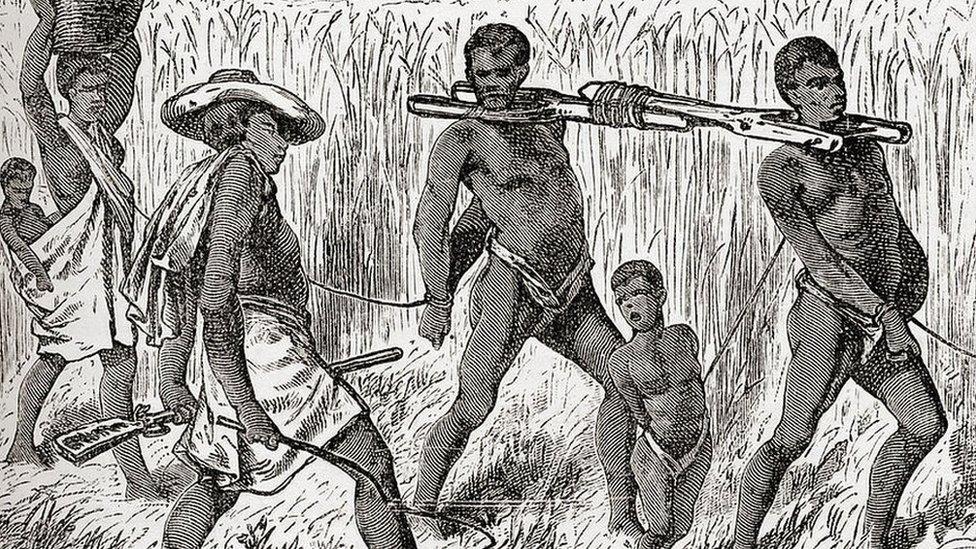

The United Nations General Assembly has adopted a historic resolution recognizing the transatlantic slave trade and the trafficking of enslaved Africans as the “gravest crime against humanity,” marking a significant moment in global efforts to address historical injustices.
The resolution, passed in March 25, 2026, was spearheaded by Ghana and received strong backing from African and Caribbean nations. It garnered overwhelming support, with 123 member states voting in favor, while a small number opposed and others abstained.
Three countries—United States, Israel, and Hungary—voted against the resolution
In the resolution, the General Assembly unequivocally condemns slavery and the slave trade, describing them as among the most inhumane and devastating atrocities in human history. It underscores the enduring impact of these practices, noting that their consequences continue to shape societies and contribute to systemic inequalities across the world.
Beyond recognition, the resolution calls for renewed global efforts toward reparatory justice. This includes measures such as formal apologies, policy reforms, and discussions around compensation for affected communities. It also urges nations to intensify actions aimed at combating racism and addressing the long-term effects of slavery.
Although the resolution is not legally binding, it carries considerable political and moral significance. Observers say it represents one of the strongest positions ever taken by the United Nations on the historical and ongoing legacy of slavery.
The move is expected to further energize global conversations on reparations and accountability, particularly among countries and communities that continue to feel the socio-economic effects of the transatlantic slave trade.
The adoption of the resolution signals a growing international consensus on the need to confront historical injustices and their modern-day consequences, while reaffirming the importance of dignity, equality, and human rights for all.