
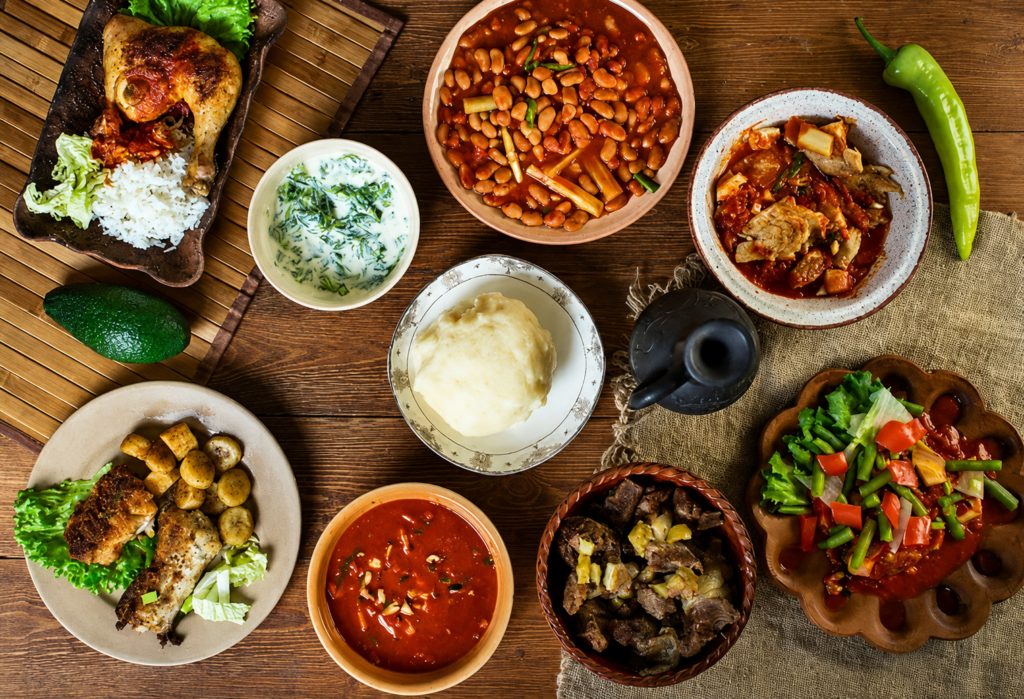

Walk into a traditional Luhya homestead and you are almost certain to be welcomed by the rich aroma of ingokho (traditional free-range chicken) slowly simmering over a wood fire, accompanied by freshly harvested indigenous vegetables and a steaming serving of obusuma (ugali). Today, those same beloved meals are just as likely to be prepared on a gas cooker, electric stove, or pressure cooker before being beautifully plated, photographed, and shared across social media.
The kitchen may have changed, but the heart of Luhya cuisine remains firmly anchored in culture, family, and tradition.
A culinary heritage rooted in the land
For generations, the Luhya people’s diet has reflected the fertile lands of Western Kenya. Farming has long shaped what appears on the dinner table, with households relying on fresh produce from their own farms.
Staple dishes such as obusuma, ingokho, mrere (jute mallow), tsisaka (kale or pumpkin leaves depending on locality), chiswa (smoked meat), sweet potatoes, cassava, arrowroots, beans, millet, groundnuts, and seasonal vegetables have nourished families for centuries.
Food has never been merely about satisfying hunger. Every meal carries cultural meaning, featuring prominently during weddings, circumcision ceremonies, funerals, harvest celebrations, family reunions, and other communal gatherings. Recipes have traditionally been passed down from parents and grandparents, preserving not just flavours but also the stories and customs that define the Luhya identity.
The art of slow cooking
Traditional Luhya cooking was an experience built on patience. Meals were prepared over firewood using clay pots, allowing ingredients to cook slowly while absorbing earthy aromas that modern cookware struggles to replicate. Meat was smoked above kitchen fireplaces or sun-dried to extend its shelf life, while vegetables were picked fresh moments before cooking.
These methods were not only practical but also enhanced flavour naturally, producing meals with the distinctive smoky taste many still remember with nostalgia.
The traditional kitchen itself was a place of learning, where younger family members observed elders preparing meals, ensuring culinary knowledge was passed from one generation to the next.
Modern lifestyles, modern Kitchens
Like many cultures around the world, the Luhya community has had to adapt to changing times.
Urbanisation, demanding work schedules, shrinking living spaces, and improved access to modern kitchen technology have transformed cooking habits. Gas cookers, induction stoves, electric pressure cookers, rice cookers, and microwaves now help families prepare traditional dishes in a fraction of the time.
Even cherished dishes that once required hours of preparation—such as ingokho or smoked beef, can now be cooked much faster without losing much of their original taste.
For many working families, convenience has become essential while still maintaining a connection to traditional meals.
A new generation is rediscovering indigenous foods
Ironically, while modernisation initially distanced many young people from traditional foods, it is now helping revive interest in indigenous cuisine.
Food bloggers, YouTubers, TikTok creators, and professional chefs are introducing younger audiences to recipes that were once confined to rural homes. Short cooking videos, recipe blogs, and digital cookbooks have made it easier than ever for people living in cities—or even abroad—to recreate authentic Luhya meals.
Restaurants, such as Kienyejis, and hotels are also giving indigenous dishes a contemporary presentation, pairing traditional flavours with modern dining experiences that appeal to younger customers and international visitors.
Traditional foods meet modern nutrition
Growing awareness about healthy eating has also contributed to the renewed appreciation of indigenous foods.
Nutritionists continue to highlight the health benefits of vegetables such as mrere, tsisaka, and other leafy greens, which are rich in vitamins, minerals, and dietary fibre. More households are embracing healthier cooking techniques by steaming vegetables, reducing cooking oil, and limiting processed ingredients.
Traditional staples like millet, sorghum, sweet potatoes, and cassava are also gaining popularity as consumers seek nutritious, climate-resilient alternatives to highly processed foods.
Preserving flavour in a fast-paced world
Despite these positive developments, there are growing concerns that certain traditional culinary practices could disappear.
Few young people today know how to cook over firewood, preserve meat through smoking, or prepare some of the less common indigenous vegetables. As older generations age, valuable culinary knowledge risks being lost unless deliberately documented and taught.
Many elders also argue that no pressure cooker or electric stove can truly reproduce the unmistakable smoky flavour created by clay pots and open-fire cooking.