
For generations, livestock merchants—popularly known as wachurusi, a Luhya colloquial adaptation of the Swahili word wachuuzi (traders or merchants)—have been the invisible link between farmers and livestock markets, ensuring the trade continues to thrive across rural communities.
Despite their indispensable role in the agricultural value chain and local economy, the profession has long been overshadowed by negative stereotypes, with many unfairly branding livestock brokers as cunning, deceitful, or untrustworthy, while overlooking the expertise and critical services they provide.
But in Mugunga, Mautuma Ward in Lugari Constituency, a group of livestock merchants is quietly rewriting that narrative.
WKT meets the men behind the livestock trade
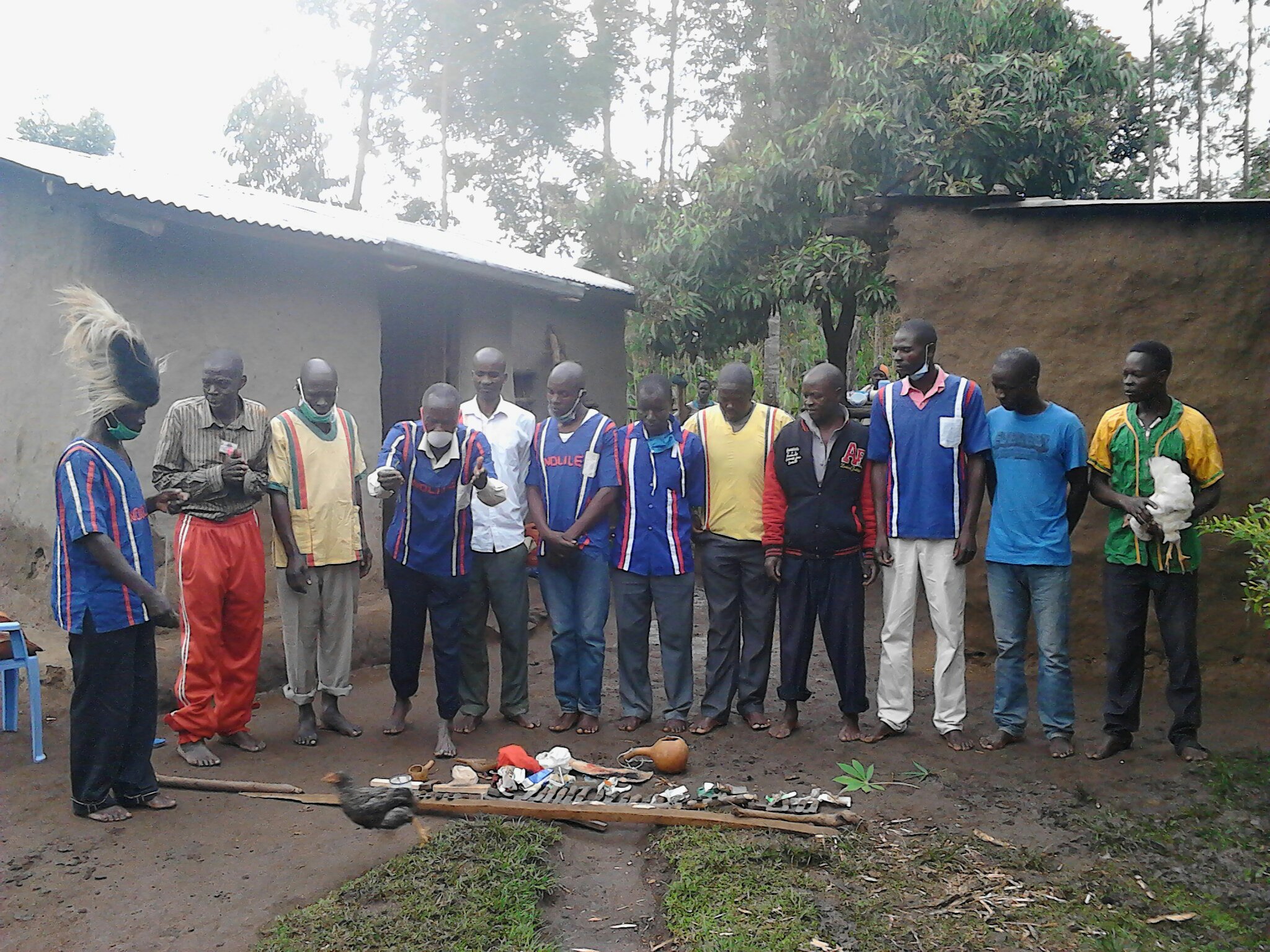
When Western Kenya Times visited the area, the team expected to find traders negotiating livestock deals. Instead, we found a group of men gathered for a different purpose altogether, supporting one another through a merry-go-round contribution that has become the foundation of their shared prosperity.
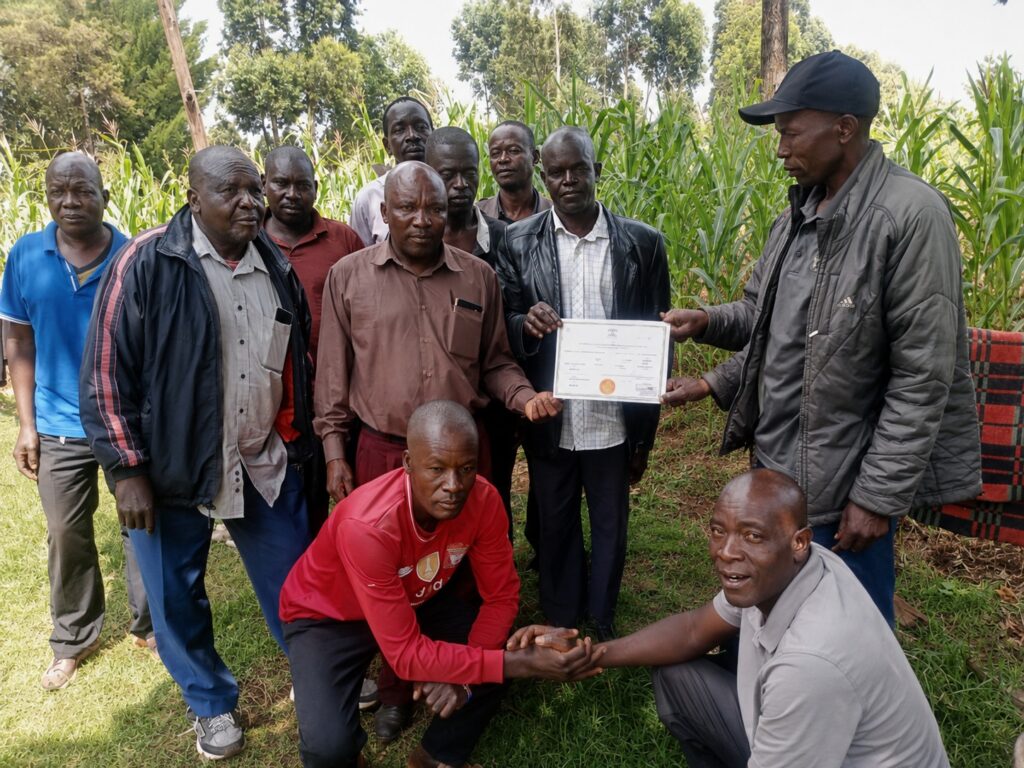
More than 15 livestock merchants had converged to make contributions for one of their members. They belong to Panpaper Block, a self-help group comprising 19 livestock traders who have united with one goal: to improve their livelihoods while creating opportunities for their families and supporting one another through life’s challenges.
Established and registered in March 2026, the group was formed to encourage savings, invest collectively, and ensure that no member is left behind during difficult times.
According to the group’s Project Manager, Emmanuel Okello, the initiative has enabled the group to sponsor the education of four students—three currently pursuing university studies and one enrolled in a polytechnic institution.
Recognizing the importance of creating sustainable sources of income, the members have also leased one acre of land for sugarcane farming, an investment they hope will strengthen the group’s finances and support future projects.
“For a long time, society has looked down upon us and assumed that we could not improve our lives,” Okello said. “We decided to come together to prove otherwise. Through unity, we are educating our children, investing in income-generating projects and supporting one another whenever challenges arise. We want people to judge us by what we achieve, not by the stereotypes associated with our profession.”
Beyond the financial gains, members say the group has strengthened friendships, built trust and created a support system that extends far beyond business.
Their story is a testament to the power of collective effort. It demonstrates that dignity and success are not defined by one’s occupation, but by vision, discipline and the willingness to work together for a common purpose.