
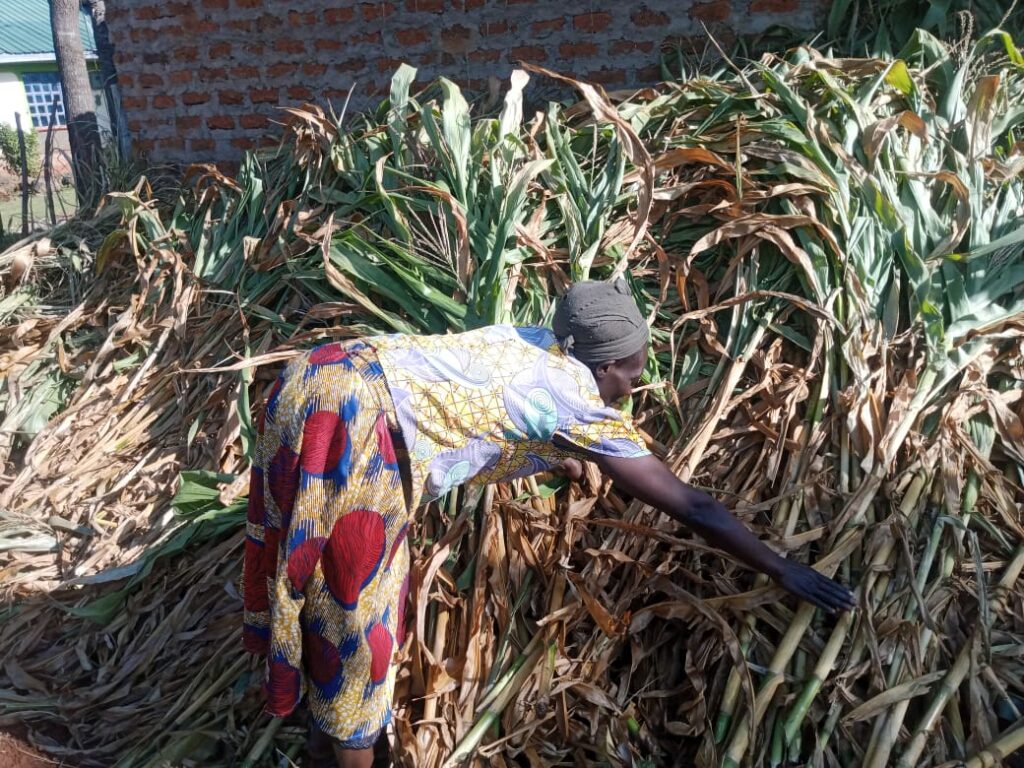

The prolonged dry spell and erratic rainfall witnessed this season have left a trail of despair among farmers in Western Kenya, with many watching months of hard work wither away in their fields.
For Caroline Alwega, a farmer from Munge area in Mbagara Sub-location, Mautuma Ward, Lugari Sub-County, Kakamega County, the devastating season has forced her to cut down her entire maize crop and feed it to her cattle after the crop failed to mature due to the prolonged lack of rain.
Standing in what should have been a thriving one-acre maize field, Caroline said the 2026 planting season has been the most difficult she has experienced in years.
“I don’t know how we will survive this year. From this farm, I normally harvest more than 10 bags of maize and about 60 kilograms of beans, but this season I have harvested only five kilograms of beans and no maize at all. We don’t know what lies ahead. We have left everything in God’s hands,” Caroline told the Western Kenya Times.
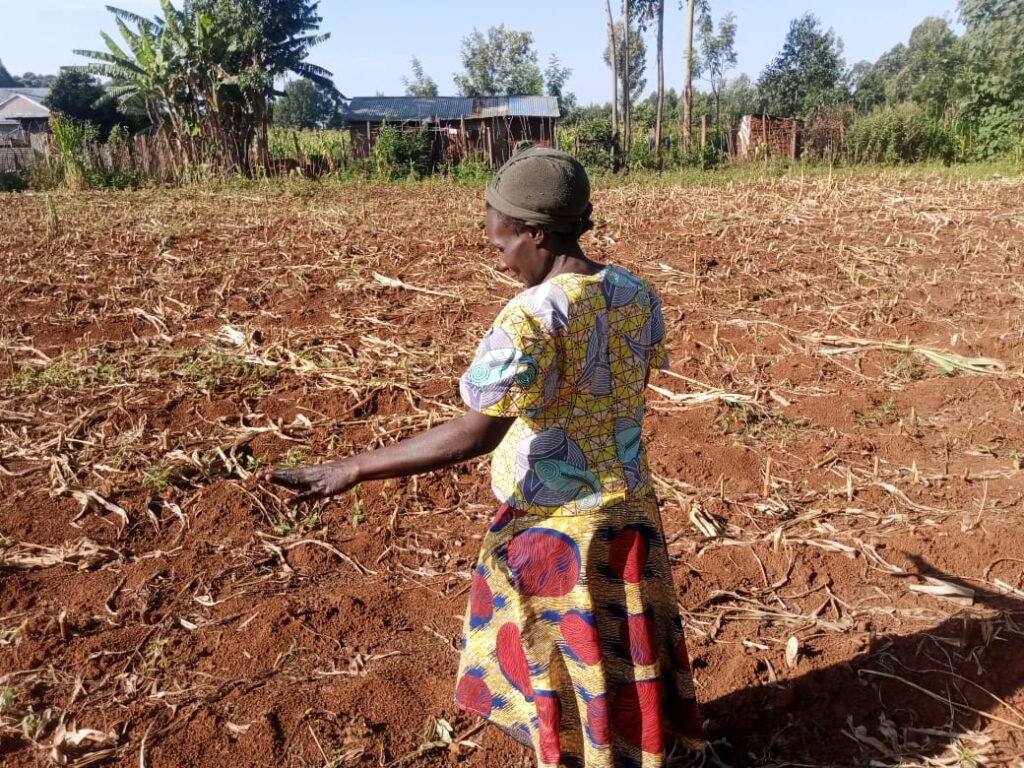
The mother of three said her family invested heavily in the season, purchasing quality maize seed and fertilizer in anticipation of a good harvest. However, the rains stopped shortly after planting, leaving the crops to dry up before they could mature.
Although she applied both basal and top-dressing fertilizer, Caroline said the investment yielded nothing because of the unpredictable weather.
“It rained in March when many farmers were not prepared. I planted around March 20 hoping for a good season, but everything was ruined after it failed to rain for more than a month. There will be no harvest this year,” she said.
With no food expected from her farm, Caroline now fears she will have to purchase food for her family at a time when household finances are already stretched.
Just a few metres away, another farmer, Florence Wafula, is facing a similar ordeal. Her half-acre maize farm has also been ravaged by the drought, wiping out the crop she had hoped would help sustain her family and repay a farming loan.
Florence said she borrowed money to finance the planting season but now faces the difficult prospect of repaying the debt without any harvest.
“I owe the company KSh 8,440. I appeal to well-wishers to help me repay the loan because I don’t expect to harvest anything from this farm,” she said.
Besides the outstanding loan, Florence is worried about paying school fees for her children and putting food on the table in the coming months.
The two farmers’ experiences reflect the growing impact of erratic weather patterns on food production across parts of Kakamega County, where many small-scale farmers now fear poor harvests and increased food insecurity after one of the most challenging planting seasons in recent years.