
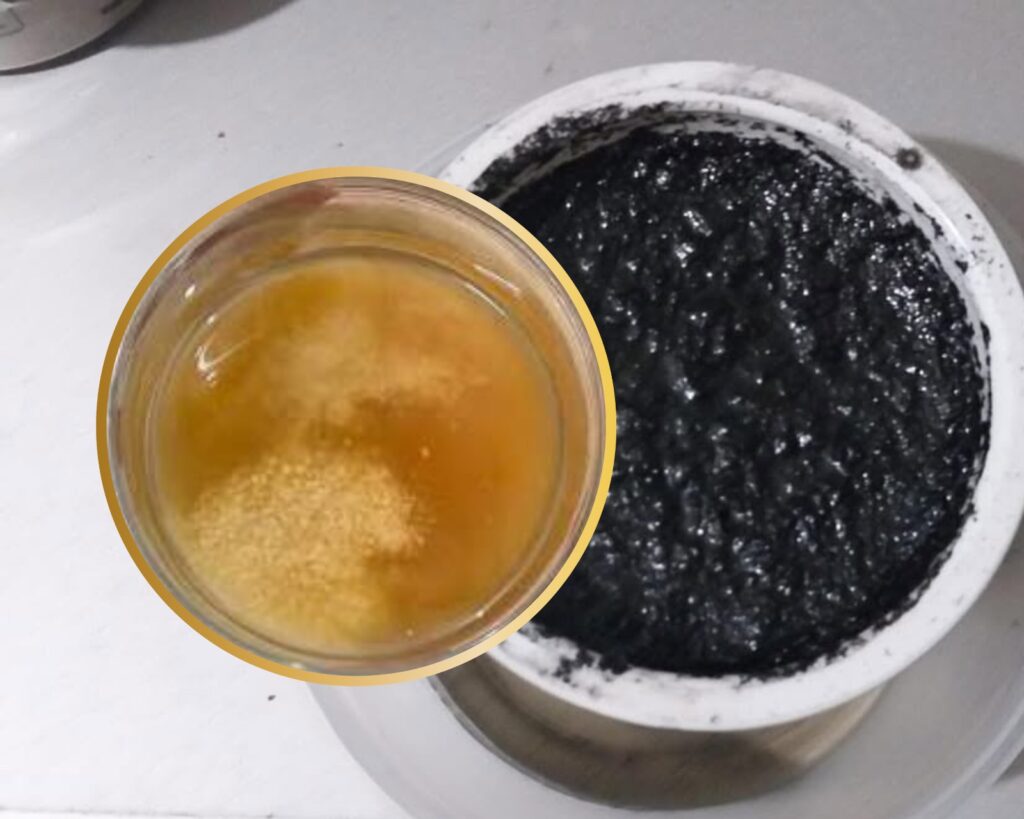

In many Luhya homes, some of the most memorable meals are not defined by expensive spices but by simple ingredients passed from one generation to another. One of these is msherekha, a traditional alkaline cooking liquid made from plant ash. Known in different parts of Luhyaland as msherekha, mshelekha, mukereka, mshevano or munyu, it has traditionally been used to soften tough vegetables, meat, and fish while adding a distinctive flavor to food.
Traditional kitchen ingredient made from ash
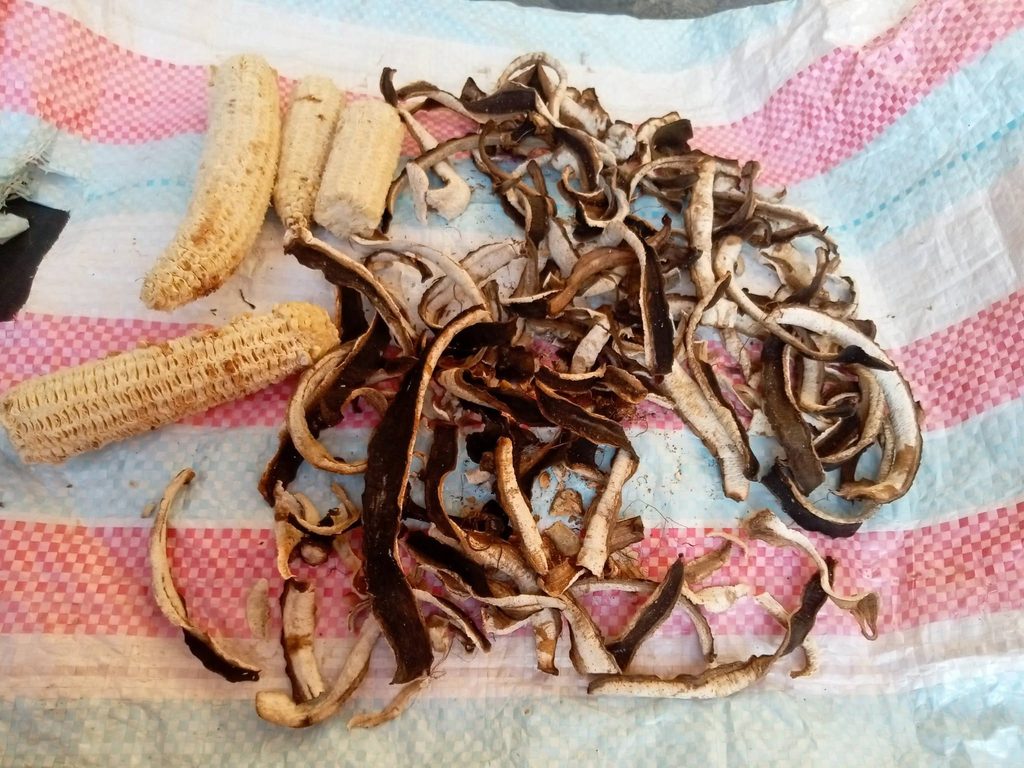
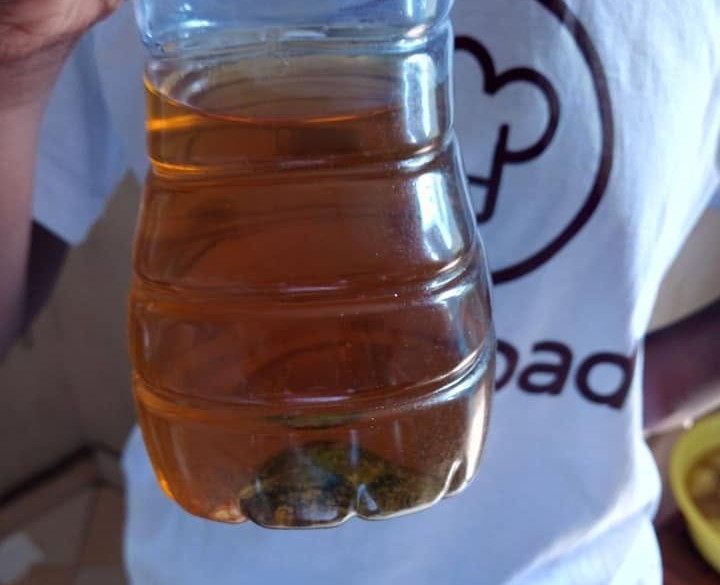
Msherekha is not ordinary ash. It is a carefully prepared liquid, or traditional lye, obtained by burning dried plant materials such as bean pods and stalks, maize cobs, sorghum husks, banana peels, or fibers.
In some communities, papyrus material has also been used. The resulting ash is placed in a perforated container or traditional vessel, and clean water is slowly poured over it. As the water passes through the ash, it collects below as a clear or lightly colored alkaline liquid.
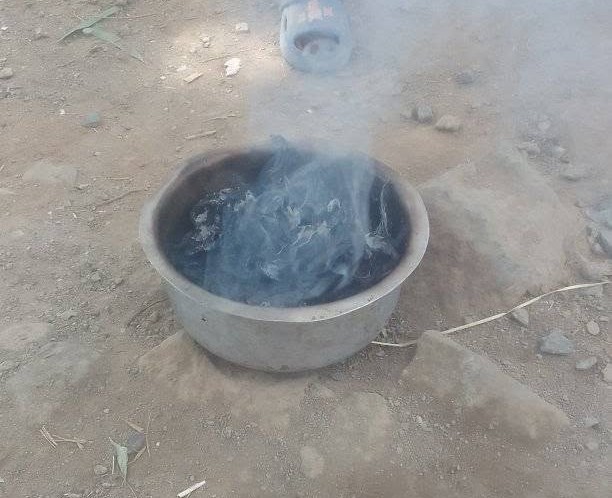
The process requires patience and experience. Traditionally, the ash is allowed to cool completely before it is used, then compacted in a perforated container through which water slowly percolates. The first liquid may contain ash particles, so it can be passed through the ash again until a cleaner filtrate is obtained.
The liquid is then stored for cooking. In parts of the Maragoli tradition, the knowledge even extended to processing the liquid further into crystals, showing that msherekha was once more than just a kitchen trick; it was a sophisticated form of traditional food processing.
The names vary across Luhya communities, reflecting the linguistic diversity of the Luhya people. Musherekha and mushelekha are widely documented names, while mukereka and munyu are also commonly used. Among the Maragoli, it is particularly associated with the name “mukereka,” while related terminology differs among neighboring communities.
The word “mukereka” has also been linked traditionally to the process of sieving or filtering the ash solution.
What msherekha does to food
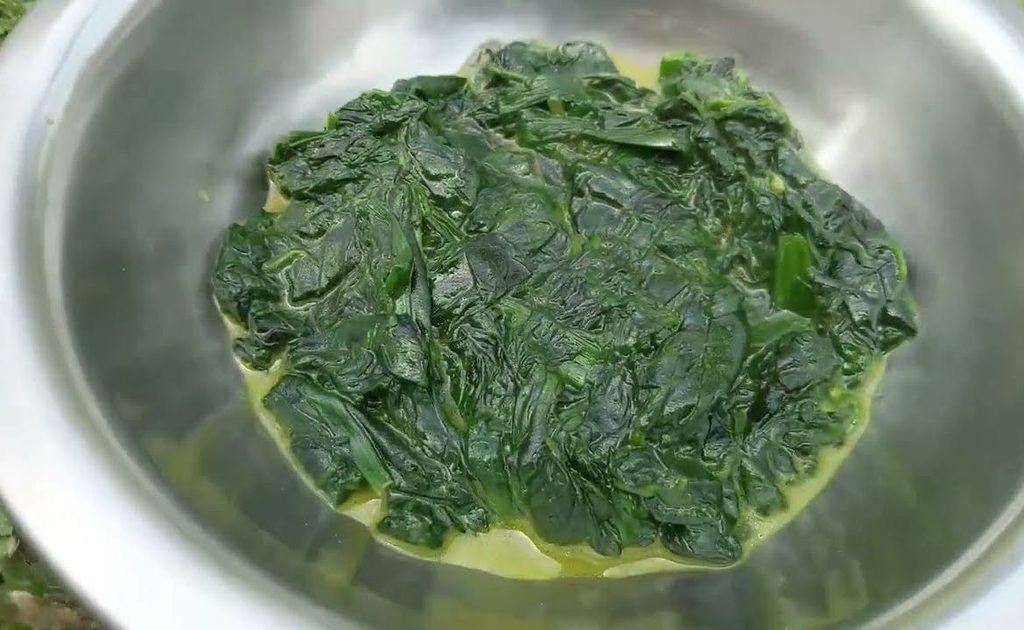
Its most famous role is as a natural tenderizer. Tough indigenous vegetables such as likhuvi (cowpea leaves), mrere/murere, emiroo/mitoo, pumpkin leaves, and nderema can take considerable time to soften. Adding a small amount of msherekha to the cooking water helps break down their tough texture and can shorten cooking time.
It is also traditionally used with dried beans, meat, chicken, and fish, particularly foods that require longer cooking.
Msherekha is normally added during boiling rather than poured over food after it has been cooked. A cook may put water on the fire, add a measured amount of the liquid, and allow it to boil before adding vegetables, or add it once the vegetables and water have begun boiling. The food is then cooked until tender, after which salt and other ingredients such as milk, groundnuts, tomatoes, onions, cream, or animal fat may be added depending on the recipe.
The quantity matters: too much can make vegetables excessively soft and produce an unpleasant burning or alkaline sensation in the mouth.
Msherekha does more than just soften food
The taste of properly prepared msherekha is difficult to compare with modern spices. It gives food a distinctive alkaline, slightly sharp alkaline, and sometimes earthy or mineral-like taste, while many traditional cooks describe it more broadly as enhancing the natural flavor of vegetables, meat, and fish.
It can also help reduce some unpleasant flavors associated with certain dried or preserved foods. This is one reason older cooks often considered it essential when preparing particular traditional dishes.
There are also practical nutritional advantages to the traditional cooking method. The filtrate is rich in potassium salts, and using it can shorten the cooking time of some vegetables, potentially helping reduce prolonged exposure to heat.
Traditional sources also report that vegetables cooked with msherekha retain their deep green color and can keep longer before spoiling. However, these properties should not be confused with proven medicinal benefits: msherekha should be regarded primarily as a traditional cooking ingredient, not as a health remedy or dietary supplement.
Its cultural significance goes beyond what happens inside the cooking pot. Knowledge of preparing msherekha was traditionally passed from older women to younger generations, alongside knowledge of harvesting indigenous vegetables, preparing traditional meals, and managing household resources. The ingredient also demonstrates an ingenious use of materials that might otherwise be discarded: bean stalks, banana peels, maize cobs, and other plant residues could be transformed into something useful in the kitchen.
Simply…Luhya
What makes msherekha particularly Luhya is the way it is woven into the community’s food culture rather than simply being used as a chemical tenderizer. It is closely associated with indigenous vegetables and dishes commonly eaten with ugali, and its preparation reflects generations of knowledge about local crops, fire, ash, preservation, and cooking.
Although traditional lye exists in other African food cultures, the specific ingredients, names, preparation methods, and dishes associated with msherekha give it a distinctive place in Luhya culinary heritage.