

Rift Valley commands more than twice the registered voters of Western Kenya, giving the region a formidable advantage in the battle for Kenya’s electoral map.
While Western Kenya has steadily expanded its voter base, its 2.4 million-plus registered voters remain far behind Rift Valley’s more than 5.3 million, setting the stage for an intriguing numbers game as political parties position themselves for the next presidential contest.
Western Kenya’s four counties have a combined 2,217,948 registered voters in the 2022 General Election, according to figures from the Independent Electoral and Boundaries Commission (IEBC).
Kakamega had the largest electorate at 844,551 voters, followed by Bungoma with 646,598, Busia with 416,756 and Vihiga with 310,043.
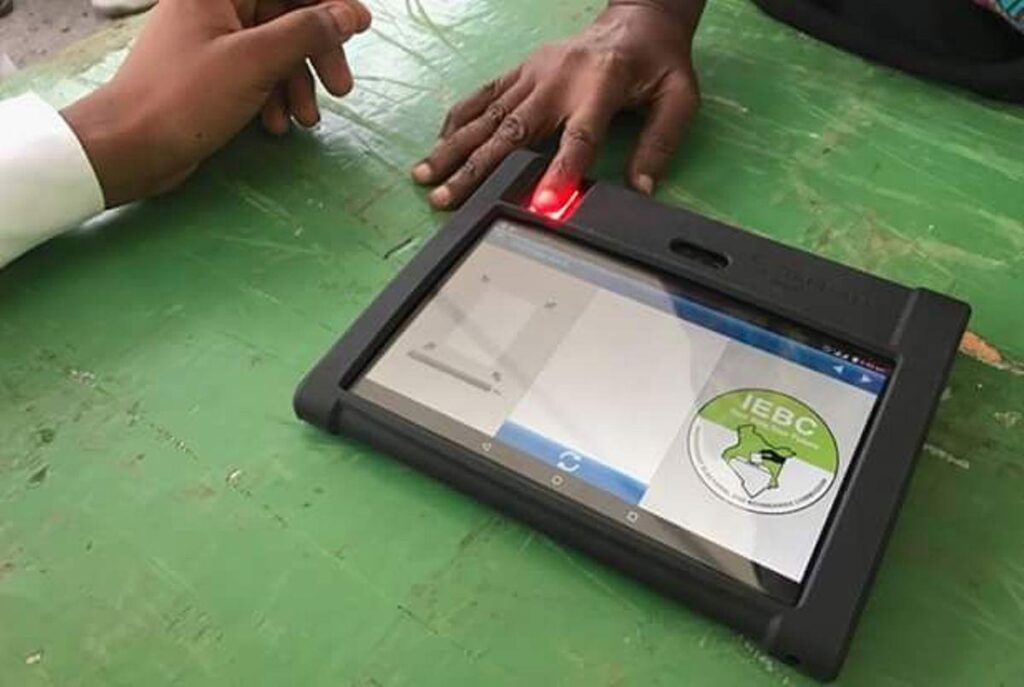
The region has since added 231,168 new voters through the IEBC’s Enhanced Continuous Voter Registration exercise conducted between March 30 and April 28, 2026.
Kakamega accounted for the largest share of the new registrations, adding 93,858 voters. Bungoma followed with 73,599, while Busia and Vihiga registered 39,311 and 24,400 new voters respectively.
Rift Valley maintains lead
Despite Western Kenya’s growing electorate, the region remains significantly behind Rift Valley in voter numbers.
The 14 counties that make up the Rift Valley had more than 5.3 million registered voters in the 2022 election, making it the country’s largest regional voting bloc.
Rift Valley also recorded more than 600,000 new voter registrations during the latest IEBC exercise, widening its numerical advantage over Western Kenya. The disparity means presidential candidates seeking to build a winning national coalition will have to pay close attention to both regions.
For Western Kenya, however, its numbers remain substantial enough to influence the outcome of a closely contested presidential election.
Kakamega remains Western’s electoral giant
Kakamega continues to command the largest electorate in Western Kenya and has increasingly become a major target for national political formations.
Its more than 93,000 new voters registered during the latest exercise further strengthen its position as the region’s electoral powerhouse.
Bungoma, with nearly 74,000 new voters, also retains significant influence, while Busia and Vihiga add sizable numbers to the region’s overall voting strength. The growing register could also give younger voters greater influence in determining the region’s political direction.
With the IEBC targeting 28.5 million registered voters nationally ahead of the 2027 elections, the Western Kenya electorate is expected to remain a major focus of political mobilization.
Ultimately, the region’s influence will depend not only on the number of registered voters but also on turnout and how effectively its political leadership can consolidate the vote.
What the numbers mean for Western Kenya in the 2027 race
For Western Kenya, the figures present both a political challenge and an opportunity. With about 2.4 million voters compared with Rift Valley’s more than 5.3 million, the region cannot match Rift Valley’s electoral muscle on numbers alone. However, its sizable voting population remains large enough to influence a closely contested presidential race, particularly if voters rally behind a common political cause.
The numbers also highlight the importance of political unity. A fragmented Western vote could reduce the region’s bargaining power, while a coordinated voting pattern could turn the bloc into a critical prize for presidential contenders seeking to build the 2027 coalition needed to cross the winning threshold.
For political parties, the message is clear: Western Kenya may have fewer voters than Rift Valley, but it has enough to swing a tight election. This is likely to make Kakamega, Bungoma, Busia and Vihiga important targets for national political campaigns.
The region’s growing voter register further strengthens that potential. The addition of more than 231,000 new voters means Western Kenya will enter the 2027 contest with a larger electorate than it had in 2022, giving political leaders a fresh opportunity to mobilise young and first-time voters.
Ultimately, the biggest question for Western Kenya may not be how its voter numbers compare with Rift Valley, but what the region does with the numbers it has. A united and high-turnout Western bloc could command significant negotiating power in the alliances and political arithmetic that will define the 2027 presidential race.