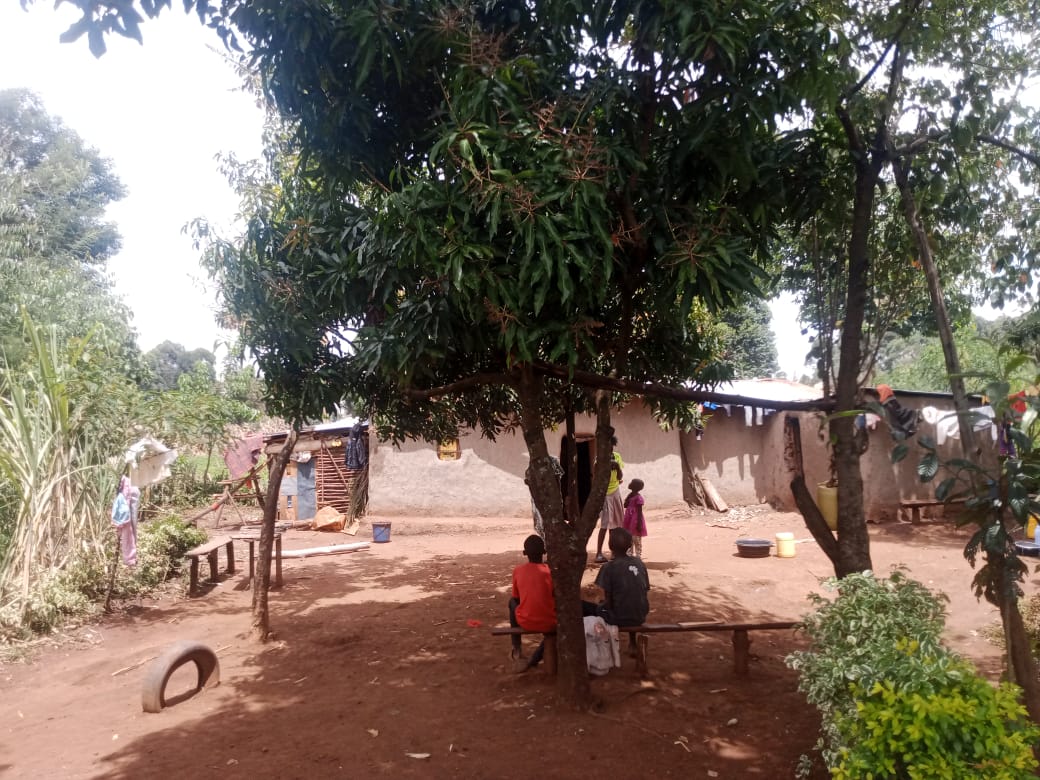


A suspected motorbike thief who was recently killed by a mob has been buried under the cover of darkness at his grandmother’s home in Misanga A village, Mbagara Sub-location, Mautuma Ward in Lugari Constituency, Kakamega County, in accordance with traditional Luhya customs.
The deceased, identified by residents as Junior, met his death on March 19 under circumstances linked to allegations of theft.
His burial, conducted on Wednesday night, followed strict cultural practices typically reserved for individuals who die in violent or controversial situations.
Speaking to the Western Kenya Times, Bukusu elder Titus Kwova explained that such burials are guided by long-standing traditions aimed at protecting the family and community from perceived spiritual consequences.
He noted that unlike conventional funerals, these rites do not involve public mourning, religious services, or large gatherings. Instead, the burial is carried out discreetly and within a short timeframe.
“In cases where death occurs in a manner considered unnatural or troubling, the community follows specific rituals to restore balance and avert further misfortune,” Kwova said.
According to the elder, preparations for the burial begin in advance, including the digging of the grave, usually located behind the homestead rather than in the main compound. When the body is collected from the morgue, it is brought into the compound through the back entrance, avoiding the main gate—an act believed to symbolically distance the household from the circumstances surrounding the death.
The burial itself is conducted swiftly by a small group of elders, with minimal participation from family members or the wider community. Once the body is interred, those present disperse immediately, marking the end of the ceremony.
Kwova further explained that the soil placed on the grave is deliberately scattered rather than neatly arranged, a symbolic act meant to break any cycle of bad omen associated with the death.
“All these rituals are meant to chase away bad spirits and prevent such an incident from happening again,” he added.
Such practices, while not universally observed, remain significant among sections of the Luhya community, particularly among the Bukusu, where cultural beliefs continue to influence how certain deaths are handled.