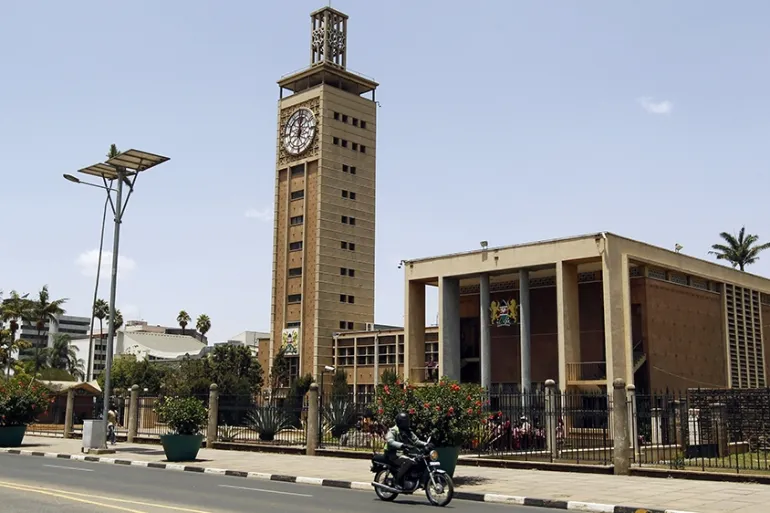

The National Assembly has passed the Finance Bill 2026 after a heated debate that exposed sharp divisions among lawmakers over the government’s revenue-raising proposals.
The Bill cleared its Third Reading on Thursday evening after 122 Members of Parliament voted in favour while 40 opposed it, paving the way for transmission to President William Ruto for assent.
Its approval marks the final parliamentary hurdle for one of the most closely watched pieces of legislation in the 2026/27 financial year. The Bill has dominated public discourse in recent weeks following concerns from sections of the public, business community and political leaders over its potential impact on the cost of living and economic activity.
Unlike the controversial Finance Bill 2024, which proposed several new taxes and triggered nationwide protests, the 2026 Bill has largely focused on strengthening tax administration, enhancing compliance measures and expanding the government’s ability to monitor and collect revenue.
The legislation was passed after lawmakers adopted amendments proposed by the National Assembly’s Departmental Committee on Finance and National Planning. During the debate, supporters argued that the measures are necessary to support government spending plans and improve revenue collection without introducing sweeping new tax burdens on Kenyans.
However, opponents warned that some provisions could increase operational costs for businesses, undermine local industries and place additional pressure on households already grappling with a high cost of living. Several legislators also pushed for tax relief measures, including proposals affecting Pay As You Earn (PAYE), although some of those suggestions were rejected during parliamentary consideration.
The Bill’s passage followed tense exchanges in Parliament, with lawmakers engaging in shouting matches and interruptions during both the Second and Third Reading stages. The debate reflected wider political disagreements over the government’s economic agenda and taxation policies.
Attention now shifts to President Ruto, who is expected to review the legislation before deciding whether to sign it into law. Once assented to, the Finance Act 2026 will provide the legal framework for implementing key tax and revenue measures contained in the government’s Sh4.82 trillion budget for the 2026/27 financial year.