
Even though it is not an official public holiday, many Kenyans have long treated Saba Saba Day as one. Saba Saba, literally “seven seven”, falls on July 7 and commemorates the historic pro-democracy protests of July 7, 1990, a turning point that helped reshape Kenya’s political landscape.
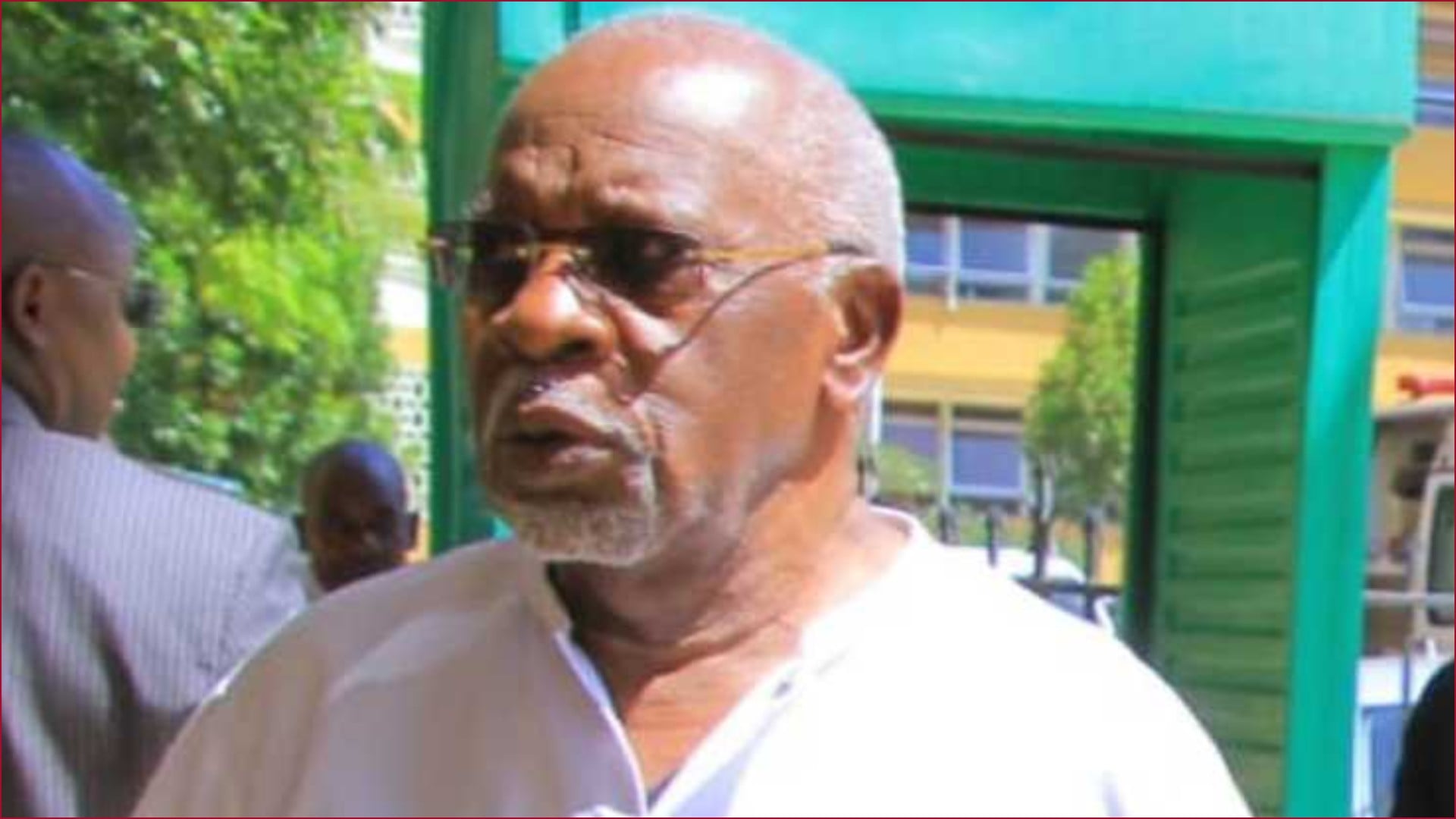
On that day, thousands of Kenyans poured into the streets of Nairobi demanding an end to one-party rule and the restoration of multiparty democracy. The demonstrations, led by opposition figures such as Kenneth Matiba, Charles Rubia, and Jaramogi Oginga Odinga, went ahead despite government attempts to ban the rally.
The pressure eventually yielded results. In 1991, President Daniel Arap Moi’s government repealed Section 2A of the Constitution, ending Kenya’s status as a one-party state and reopening the political space for citizens to form and join different political parties.
From protest to national reckoning
Over the decades, Saba Saba has evolved beyond its original mission. What began as a direct challenge to the Moi regime has become a broader national moment of reflection and dissent. For many Kenyans, July 7 is now associated with calls for accountability on the cost of living, corruption, unemployment, inequality, and governance.
In a striking historical irony, a day born out of resistance to one government has become the annual occasion for citizens to scrutinize whichever government is in power.
A quieter 35th anniversary
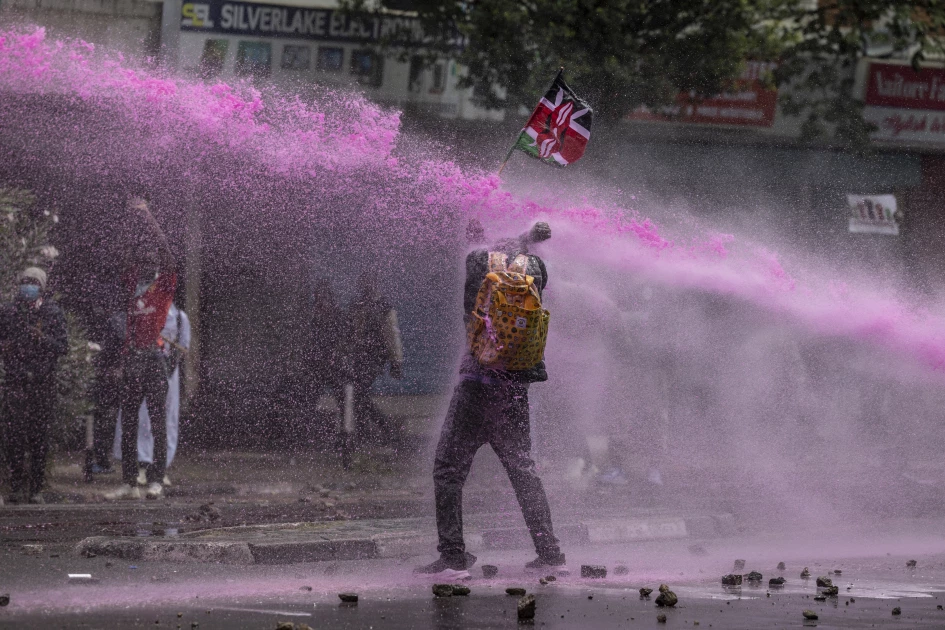
This year’s 35th anniversary felt markedly different. In Nairobi, security measures began before dawn. Major roads, including Uhuru Highway, Thika Road, and State House Road, were barricaded, while businesses reinforced entrances, scaled down operations, or shifted employees to remote work. The central business district was unusually quiet.
Instead of the large-scale Kamukunji rallies that became synonymous with the late former Prime Minister Raila Odinga’s style of mobilization, human rights groups opted for a petition march from Jevanjee Gardens to Parliament, where they called for accountability over alleged extrajudicial killings and raised concerns about police conduct.
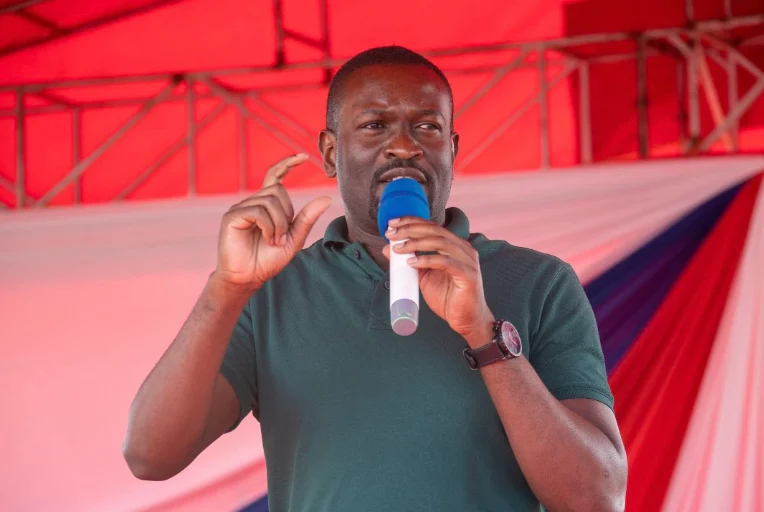
Interior Cabinet Secretary Kipchumba Murkomen later praised security agencies for maintaining order, saying incidents of violence were “markedly reduced” compared with the June 25 protests held last year.
Is Saba Saba changing?
The subdued atmosphere has sparked debate. Some view the heavy security presence as evidence of official anxiety over public dissent. Others argue that the shift from mass street demonstrations to targeted petitions, legal action, and symbolic protests reflects a more strategic and mature form of civic engagement.
The question is no longer simply whether people can fill the streets. It is whether the spirit that once compelled a government to amend the Constitution still survives in modern Kenya.
Whether expressed through marches, petitions, online campaigns, or moments of remembrance, Saba Saba remains a powerful reminder that ordinary Kenyans have the capacity to influence the direction of their country.
Thirty-five years after the original protests, the methods may have changed, but the message has not: Kenyans continue to demand better governance, justice, accountability, and a government that listens to its people.