
A protected prosecution witness has told the High Court that he was paid to erase surveillance footage from Nairobi’s Central Police Station just hours after the death of teacher and blogger Albert Ojwang, in testimony that could become a key piece of evidence in the ongoing murder trial.
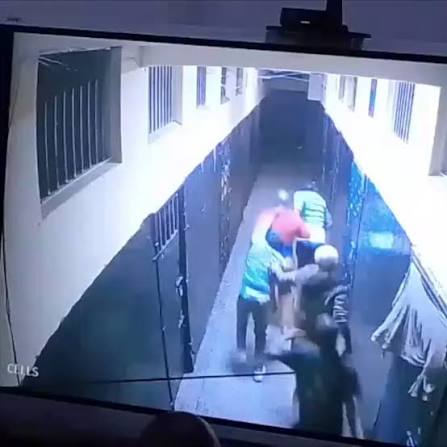
Appearing under witness protection, the technician testified that he was contacted on June 8, 2025, because he had installed the police station’s CCTV system. He said officers wanted footage recorded during the period when Ojwang was being held at the station removed.
The witness explained that the surveillance system could not delete recordings from specific dates only. Instead, he said, the only way to remove the requested footage was to format the station’s Digital Video Recorder (DVR), a process that permanently erased all stored video.
According to his testimony, he first confirmed that the recordings were available before carrying out the formatting process using authorised login credentials. He maintained that he did not view the footage before deleting it. After completing the task, he told the court he was given Sh3,000 in cash.
Prosecutors argue that the alleged deletion of the CCTV recordings points to an attempt to destroy evidence following Ojwang’s death while in police custody. The defence has not accepted those claims, and the court is yet to determine whether the allegations are true.
Former Central Police Station Officer Commanding Station (OCS) Samson Talaam and several other accused persons have denied the murder charges facing them. The trial continues before the High Court, with the prosecution expected to call more witnesses as it builds its case.
Albert Ojwang, a teacher and blogger from Homa Bay County, died on June 8, 2025, after being arrested over allegations linked to social media activity. His death sparked widespread public outrage after an independent post-mortem examination found injuries consistent with assault, contradicting initial police claims that he had inflicted the injuries on himself.
The case has since become one of Kenya’s most closely watched police accountability trials, drawing significant public interest as investigators seek to establish the circumstances surrounding Ojwang’s death and whether there was an effort to conceal crucial evidence.