
A political strife has been brewing for weeks between Kakamega Governor Fernandes Barasa and the six members of the County Assembly representing Lugari Sub-County, months after the two sides appeared to be on the same page.
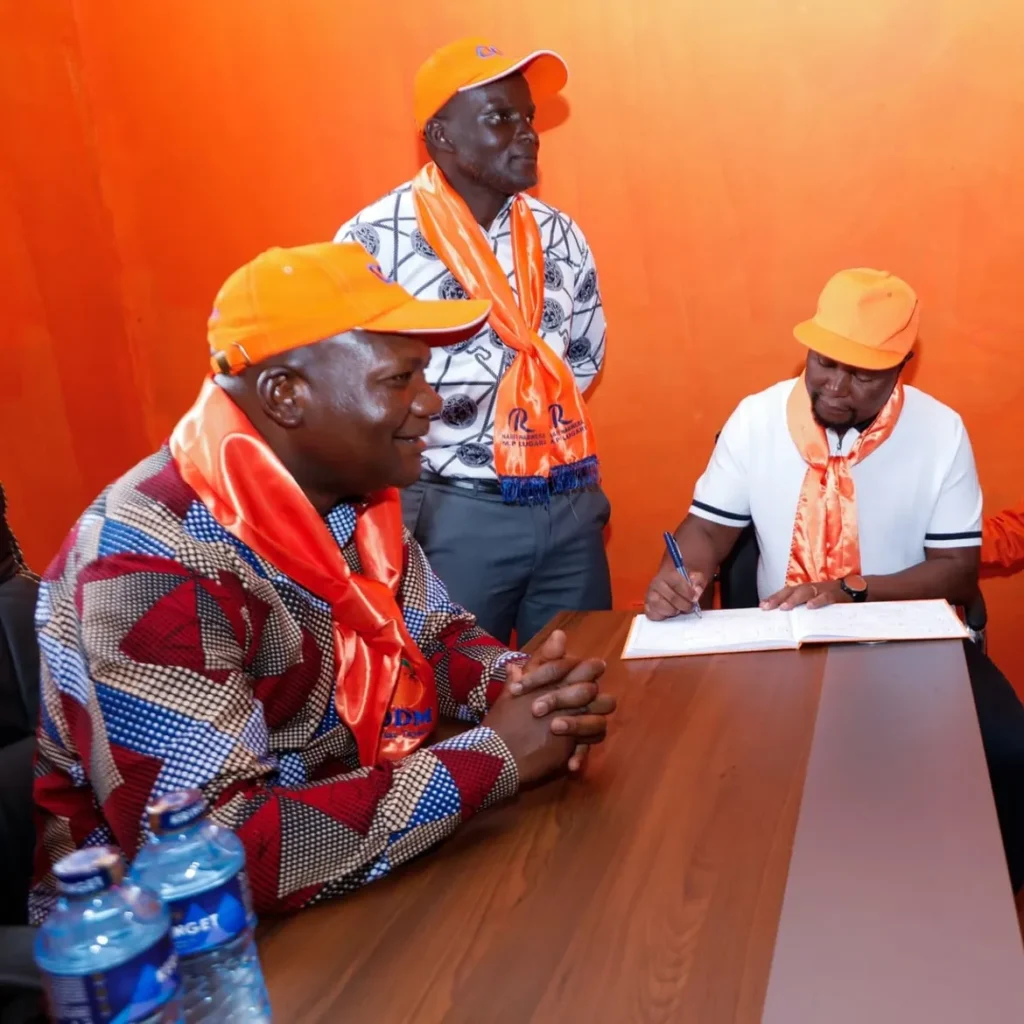
The six ward representatives have unanimously distanced themselves from the county boss, citing frustration over development and service delivery in their wards. They say Lugari’s challenges have not received adequate attention and are pushing for a bigger say in shaping the sub-county’s political and development agenda.
What could be behind the fallout?
At its core, though, the dispute appears rooted less in development grievances than in political calculation. The MCAs’ realignment suggests a calculated hedge, a growing fear that Barasa’s standing in Lugari may not be strong enough to carry them back into office when the 2027 polls arrive.
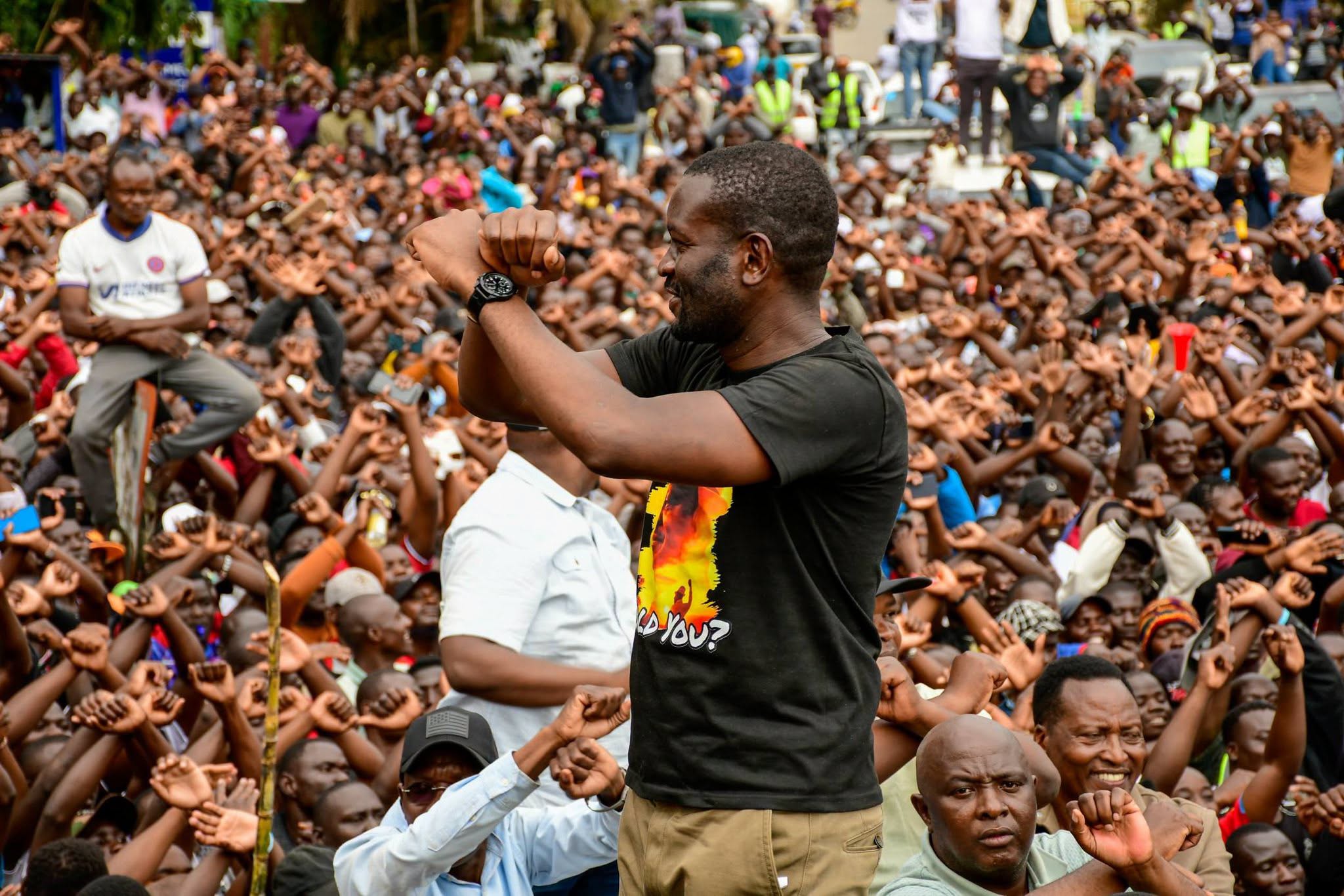
Compounding the fallout are deepening political differences between Barasa and his fierce rival, Lugari MP Nabii Nabwera, who appears to be building a formidable opposition front against the governor in the county’s northern region, having now successfully pulled all six MCAs from his backyard into his camp.
Recent chaos speaks to the widening rift
Recent chaos during Barasa’s visit to Lumakanda, in which Lumakanda MCA Bernard Mulama was injured, further underscores the growing rift between the governor and the MCAs.
Nabwera and the six MCAs have since pointed fingers at individuals they allege were linked to the disturbance, even naming County Ombudsman Nelson Majimbo as the alleged chief organizer of the goons, a claim Majimbo has firmly dismissed, challenging his accusers to provide evidence.
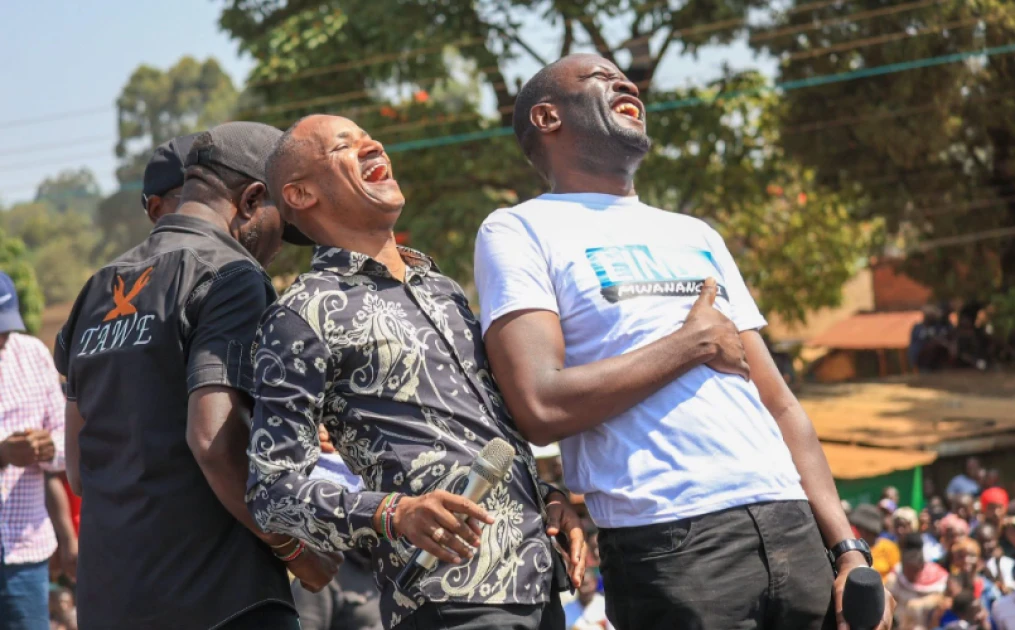
The rift was on full display last Sunday when all six Lugari MCAs joined Nabwera at a church fundraiser in Majengo, Lumakanda Ward, while Barasa attended a separate fundraising event at KAG Church in Lwandeti Ward, notably without a single MCA in attendance.
Despite the visible snub, Barasa struck a conciliatory tone, describing Lugari as his “second bedroom” and vowing to keep working with residents and leaders regardless of political friction. He insisted the disagreements would not derail his administration’s development agenda in the area.
County officials have continued defending their record in Lugari. During Barasa’s September 7 visit, the administration disbursed KSh6 million to 120 groups across the six wards—KSh1 million per ward—alongside ongoing investments in roads, ECDE centers, water projects, bridges, and health facilities.
Still, the optics of the past week suggest the fallout runs deeper than service delivery alone. The growing alignment between the six MCAs and Nabwera, paired with their conspicuous absence from the governor’s Lwandeti event, points to a broader political realignment taking shape ahead of 2027.
Whether the standoff is rooted in genuine development grievances, a contest for local influence, or early positioning for the next electoral cycle remains unclear. What is certain is that Barasa is determined to keep his footprint in Lugari, declaring he will partner with “any leader willing” to work with him, even as key allies appear to be drifting toward camp Nabwera.